


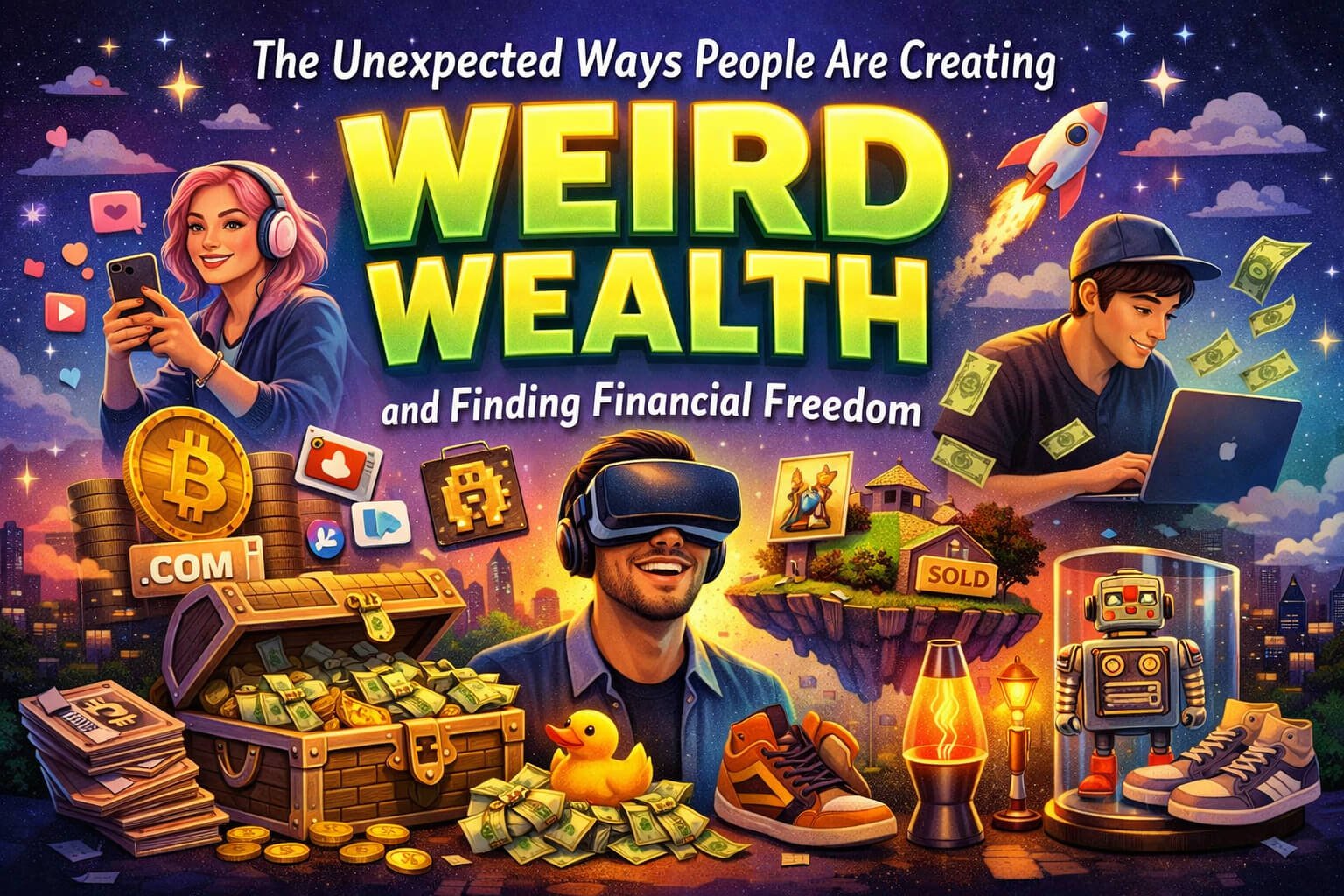
Wealth used to mean steady jobs, promotions, real estate, retirement portfolios, and long‑term investing. That was the story most of us grew up with. But today, a different kind of wealth is emerging—one that comes from places most people would never expect. This weird wealth isn’t built on corporate ladders or Wall Street indexes. Instead, it grows from quirky ideas, individual creativity, niche opportunities, and digital frontiers.
Weird wealth shows us that financial freedom doesn’t always follow a predictable path. It reminds us that unconventional thinking, chance, timing, and curiosity can sometimes lead to remarkable financial outcomes. In this article, we’ll explore exactly how people are creating weird wealth, what fuels it, and how you can understand and potentially tap into it yourself.
What Weird Wealth Really Means
Weird wealth refers to income or financial success earned through unlikely, unconventional, or unexpected means, rather than traditional careers or proven investment strategies. It’s not just about money—it’s about how the money was made, often from ideas that others overlooked or dismissed as strange.
Traditional wealth involves jobs, stock portfolios, property, or corporate success. Weird wealth, by contrast, often stems from niche digital opportunities, viral success, digital assets, and side pursuits that gained traction due to timing, creativity, or cultural trends.
Weird wealth isn’t limited to digital platforms either. It can come from unusual products, services, or creative enterprises rooted in human interests, hobbies, or lifestyles. In essence, it’s where creativity meets opportunity.
The Digital Revolution and Wealth Redefined
The rise of the internet has transformed how we work, create, and earn money. The barriers that once made entrepreneurship, global exposure, or earning potential seem exclusive have dissolved for many.
Today, virtually anyone with internet access can:
• Build an audience online
• Sell digital products or services
• Monetize attention and creativity
• Turn a niche interest into a livelihood
Platforms like social media, content communities, freelance marketplaces, and digital storefronts have democratized wealth creation. These tools enable individuals to connect directly with global audiences, bypass traditional gatekeepers, and craft income streams that were unheard of a generation ago.
Unanticipated Digital Success Stories
One of the earliest iconic stories of weird wealth comes from the Million Dollar Homepage, where a university student sold one million pixels on a webpage for $1 each. The idea was so simple—selling advertising space as pixels—that it sounded strange at first. But it worked, and within months the page generated a million dollars in revenue.
Another example is domain names—essentially digital real estate. Before the internet boom, domain names were cheap and plentiful. But as businesses moved online, memorable domains became extremely valuable, with some selling for millions of dollars. This unexpected form of wealth creation shows how digital foresight and timing can turn small investments into huge returns.
These cases remind us that value is not static. Something that seems trivial today—like a webpage or a domain—can become priceless tomorrow, depending on cultural shifts and technological evolution.
Social Media, Influence, and Financial Freedom
In the social media era, ordinary individuals can amass large audiences by sharing parts of their lives, skills, or hobbies. Instagram, TikTok, YouTube, and similar platforms have transformed personal expression into financially valuable reach.
Creators with modest but engaged audiences often earn through sponsored posts, brand deals, affiliate partnerships, merchandise, and community funding. A niche content creator with 10,000–50,000 followers can earn hundreds or even thousands per post, simply by sharing content that resonates with their niche audience. This ability to turn passion into income is one of the most visible forms of modern weird wealth.
What makes this form of wealth unique is that authenticity often matters more than polished marketing. Micro‑influencers—creators with smaller but highly engaged followings—can out‑earn traditional celebrities because their audiences trust them more. This shift flips old marketing norms on their head and creates real economic opportunity for individuals following authentic passions.
Odd Jobs That Became Unexpected Fortunes
Some careers or income sources sound strange on paper but have created real financial success:
-
Renting companionship services through platforms that connect people looking for friendly social time with willing hosts—yes, that’s a paid gig for some.
-
Reviews and micro‑tasks, like reviewing music or testing products, which aggregate steady small payments into meaningful side income.
-
Niche service marketplaces where highly specific tasks gain traction and pay well—whether it’s creative work, technical skills, or quirky services.
These aren’t traditional jobs, but they provide real income opportunities for people willing to embrace unconventional paths.
Making Wealth from Creative and Niche Products
The digital world has also opened space for creators to produce and sell goods that would have been unheard of in past decades. Digital art, templates, virtual goods, and specialized digital services can generate ongoing income once created.
For example, someone might design a digital planner, a unique online sticker pack, or a downloadable tool that helps others work more efficiently. With minimal overhead and global access, these products can scale without physical inventory. This type of asset creation reflects how creativity multiplies opportunity.
Unconventional goods don’t only exist online. Some people make profitable careers from physical products that seem odd—think subscription boxes of unusual items, bizarre collectibles, or highly targeted kits for niche hobbies. These items thrive because they speak to specific interests and communities that traditional mass marketing overlooks.
Alternative Investments and Unconventional Assets
Beyond work and creative income, weird wealth also shows up in unusual investment opportunities.
Today’s alternative investment landscape includes things like:
• Rare collectibles
• Digital assets such as NFTs and crypto holdings
• Virtual property and online game economies
• Niche physical assets like billboards or specialty land parcels
These aren’t typical stocks and bonds. Their value often comes from scarcity, community demand, cultural trends, or utility within digital ecosystems. While they carry risk, early adopters can build wealth when cultural momentum and adoption converge.
For instance, digital economies within games allow users to trade items or virtual real estate for real money—another example of how value can emerge in unexpected domains.
Psychology and Timing Behind Weird Wealth
Weird wealth often happens when timing meets perception. Certain assets or ideas seem valueless until cultural trends, scarcity, or demand transform them into goldmines.
Look at early Bitcoin adopters: people who acquired Bitcoin when it was virtually worthless—just a digital experiment—now sit on wealth they never anticipated. No traditional model predicted that digital currency would become a global asset class, but those who saw early value locked in enormous returns.
This dynamic demonstrates something important: wealth isn’t only about strategy, it’s about vision and perception. People who recognize value before others—whether in digital assets, niche goods, or creative platforms—can capture outsized financial opportunity.
Freedom Beyond Money
What makes weird wealth truly compelling isn’t just the dollar amounts—it’s the freedom it offers.
Many unconventional income streams provide:
-
Flexibility in schedule and lifestyle
-
Autonomy over creative expression
-
Independence from traditional workplaces
-
Control over how and where work happens
These elements speak to a deeper form of financial freedom. For many people, weird wealth isn’t just about more money—it’s about living life on their terms, doing work they enjoy, and engaging with communities they care about.
Challenges and Things to Keep in Mind
Weird wealth isn’t guaranteed or easy. Not all unconventional ideas lead to success. Many fail because timing was off, execution wasn’t strong, or demand never materialized. Success in this realm often requires experimentation, resilience, and learning from failure.
It’s also important to balance enthusiasm with reality. Traditional financial discipline—such as saving, budgeting, and diversified investing—still matters. Unconventional paths can complement traditional strategies rather than replace them entirely.
Understanding weird wealth means recognizing both opportunity and risk, and learning to adapt as economic and cultural landscapes change.
Your Turn: Exploring Weird Wealth
If you’re curious about creating your own weird wealth, start by asking:
• What unusual talents or interests do I have?
• What digital tools or platforms align with those interests?
• Where is demand emerging before others notice it?
• How can I build something of value around that?
Once you start exploring these questions, you may find opportunities that others overlook. The key isn’t following a preset path—it’s forging your own. That’s where real innovation and financial freedom can begin.
Conclusion
Weird wealth isn’t a myth. It’s a living, evolving part of the modern economy, shaped by creativity, technology, and human curiosity. From digital entrepreneurs to niche creators, many people are discovering paths to financial freedom that don’t resemble the old stories of wealth.
These unexpected success stories teach us something powerful: money isn’t always found in the expected places. Sometimes it’s waiting in the things we think are too strange to work. It just takes vision, courage, and the willingness to try something different.
Weird wealth isn’t about luck—it’s about seeing opportunity where others don’t.
